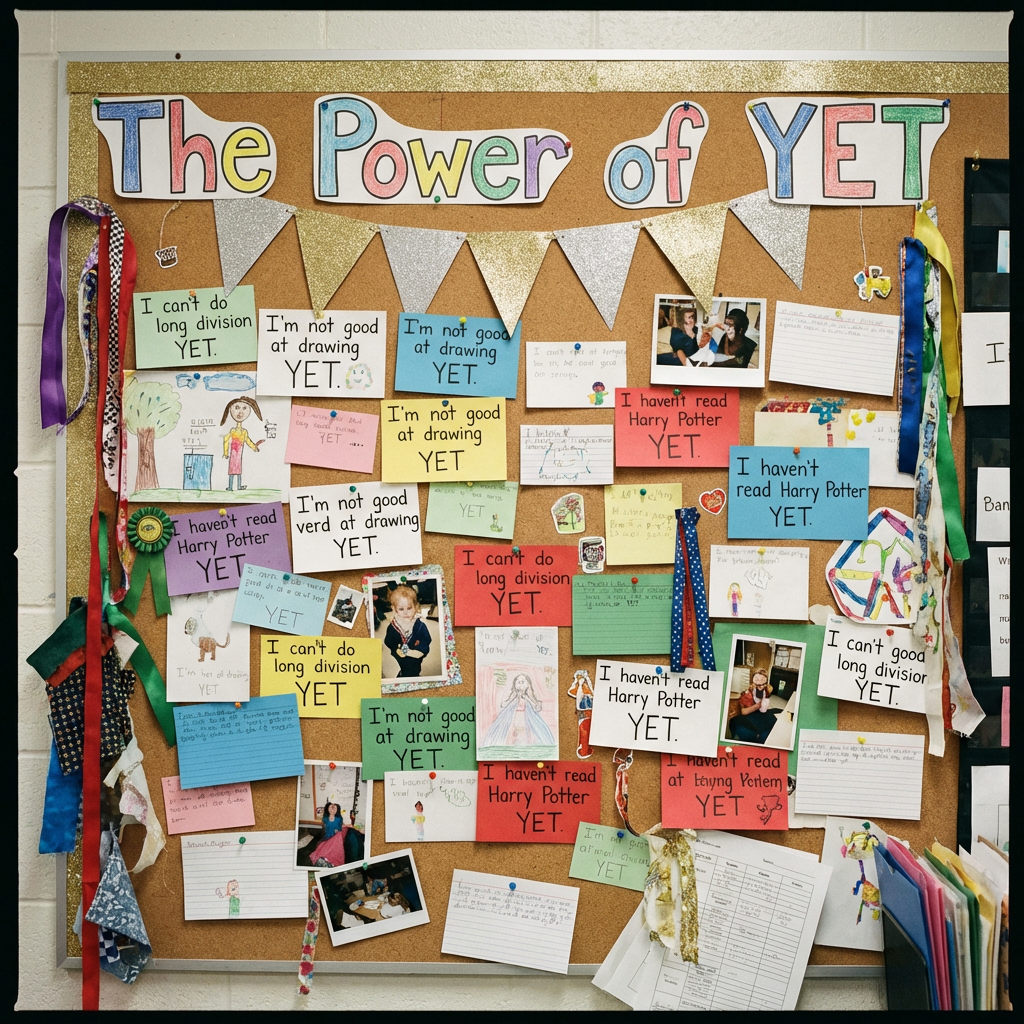
The concept of a growth mindset—the belief that abilities can be developed through dedication and hard work—has become ubiquitous in education. But too often, it remains a passive slogan on the wall rather than an active practice in the classroom. For students to truly internalize this belief, they need more than inspiration; they need repeated, structured experiences that train their brains to interpret struggle, feedback, and failure differently. It’s about turning the philosophy into a set of actionable routines.
These activities are designed to move the theory of growth mindset from the abstract to the lived, daily experience of every learner in your room.
The Foundational Shift: Language as a Tool
Before any activity, the most powerful lever is the language we model and encourage. This involves a deliberate shift in praise and framing. We must replace outcome-based praise like “You’re so smart” with process-focused feedback such as, “Your strategy of checking each step really paid off.” The goal is to normalize struggle by introducing and celebrating powerful words like yet, strategy, and effort. The simple act of a student adding “yet” to “I don’t get this” linguistically installs the belief in future success.
Activity 1: The Neuroplasticity Challenge
This activity makes the science of the brain’s growth tangible and personal. Begin with a mini-lesson on neuroplasticity, using the analogy of a path in the woods becoming clearer with more walks. Then, introduce a short, universally difficult task—solving a new puzzle or learning a few words in a new script. Frame it explicitly: “We are doing this to feel the strain of our brains growing.” Afterward, facilitate a discussion about the sensation of mental effort, explicitly linking that feeling to the physical growth of neural pathways. This teaches students to interpret frustration as a sign of development, not failure.
Activity 2: The Iterative Process Gallery
Students often believe mastery is innate and instant. This activity shatters that illusion by showcasing the messy journey behind success. Create a gallery walk featuring stories of famous failures and the early, rough drafts of great works—from J.K. Rowling’s rejections to the preliminary sketches of a famous painting. As students tour, have them identify the struggle and the subsequent persistence. Then, make it personal by having students share a “first draft” of their own work—a rough math problem or a early essay paragraph. This publicly celebrates the learning process as the true engine of achievement.
Activity 3: The Process-Focused Feedback Protocol
Traditional grading can reinforce a fixed mindset by focusing solely on the final outcome. This activity builds reflective, growth-oriented thinking directly into the assessment cycle. With any major assignment, require students to submit a “Process Reflection” cover sheet. Prompts should ask them to describe a specific obstacle they faced and the strategy they used to overcome it. Your feedback should then primarily address their reflection, praising their problem-solving and resilience. This protocol signals that the how of their work—their effort and strategy—is as important as the final product.
Activity 4: The “Yet” to “Now I Can” Bulletin Board
Create a dynamic, public space that tracks the class’s collective journey from “can’t” to “can.” Invite students to anonymously submit notes completing the sentence: “I can’t ______…yet.” Post these on a dedicated board. When a student masters something from their own or a classmate’s “yet” list, they post a victory note or sticker next to it that declares, “Now I Can!” This board becomes a living, visual record of growth, reinforcing that current struggles are temporary and that persistence leads to tangible success.
Implementing these activities systematically rewires the classroom culture. The goal is not to eliminate frustration, but to change its meaning. The struggle stops being a signal to stop and becomes a signpost that reads, “You are now in the process of growing.”



Leave a Reply